Vinyl, neboli PVC, je vlastně závěs do sprchy. Může být ale opravdu velmi sexy. Musí se s ním umět zacházet.
Pokud si nejste jista, volte vinylové oblečení pouze v černých a zemitých barvách. Kalhoty a sukně noste s volnými vršky, jako třeba s bílou košilí nebo pleteným svetrem. Upnutějším vrškům se vyhýbejte. Pokud už teď ráda nosíte koženkové kalhoty, vinyl pro vás nebude takovou změnou. Jedná se také o ideální tip na nadcházející jaro, kdy se vám do deště jistě bude hodit vinylový kabátek, můžete ho na chvíli vyměnit za tradiční trenčkot.
Heat transfer vinyl is one of the most popular and versatile garment decoration techniques in the textile personalization sector. It involves applying a heat-activated material onto a garment that, after being precisely cut and pressed with heat, results in clean, durable designs with a wide variety of finishes.
Origin a evoluce vinylu pro dekoraci oděvů
Text textile customization using heat transfer vinyl emerged in the mid-20th century with the development of the first thermoadhesive materials capable of bonding to fabrics through heat and pressure.
Overcoming the limitations of traditional techniques
Heat transfer vinyl solved many of these issues by allowing the production of unique pieces or short runs without increasing costs, offering faster application times and a wide range of finishes not achievable with other traditional methods.
Hlavní aplikace vinylu v personalizaci textilu
This method allows you to personalize a wide range of fabrics and products: T-shirts and sweatshirts, children’s clothing, pet accessories, corporate merchandise, and even home decor.
Fashion and casual wear
Children's clothing and accessories
Workwear and High-Visibility Clothing
Merchandising and Custom Gifts
Home Decor and Accessories
Games and Sports
Postup aplikace vinylu na oděvy
Steps for applying heat transfer vinyl (HTV)
Design preparation: in this step, the design is created or adjusted to be transferred onto the garment.
Important: in most cases, the design should be mirrored, since the cutting is done from the reverse side of the vinyl and the orientation is corrected during heat transfer.
You must consider the final size of the design, the placement on the garment, and the vinyl colours.
For multi-layer or multi-colour designs, it is important to plan the application order to avoid errors during assembly.
It is essential to select the right type of vinyl depending on the characteristics of the project. There are vinyls with different finishes: matte, glossy, glitter, reflective, or fluorescent, and some allow for multi-layer application for more complex compositions.
For example, reflective vinyls are ideal for workwear or sportswear, while glitter vinyls are perfect for decorative designs or children’s fashion.
Some specialty vinyls allow printing on their surface before cutting. In these cases, an extra step is added to the process: printing with the proper equipment and then proceeding to cut.
Design cutting: once the design file is ready, it is sent to the cutting plotter.
This step is key to ensure the vinyl is cut precisely and the final design looks professional.
It is crucial to have a high-precision cutting plotter that allows you to configure the speed and cutting pressure properly depending on the type of vinyl and the material thickness, ensuring clean and consistent cuts.
Weeding: after cutting the design, you need to carefully remove the excess vinyl that is not part of the final image, leaving only the elements to be transferred to the garment.
Garment preparation: before applying the vinyl, the garment must be clean and free of wrinkles, dust, or moisture. It is recommended to pre-press the area where the vinyl will be placed for a few seconds to remove moisture and create an even surface.
Heat transfer: in this step, the design is permanently transferred to the garment using heat and pressure.
Correct temperature, pressure and time: use the heat press following the vinyl’s specifications. Each vinyl type requires specific settings.
Multi-layer designs: if the design includes several layers or colours, apply each one sequentially as previously planned.
Aftercare: once the transfer is complete, let the garment cool down before handling it. It is not advisable to wash the garment within the first 24 hours after application. To preserve the design's durability, wash inside out, with cold or lukewarm water, and avoid ironing directly on the vinyl.
Výhody a omezení vinylu pro štítky a oděvní etikety
U oděvních štítků jsou odolnost a bezpečnost na prvním místě. Vinyl je jedním z nejlepších materiálů pro dlouhodobé, flexibilní a omyvatelné štítky.
Vinylové štítky jsou velmi odolné proti slzám, takže mohou jít přímo do pračky. Vinylové štítky jsou také vodotěsné, takže tisk nebude rozmazán.
Vinylové štítky mají na zadní straně silnou lepicí podložku, která jim umožňuje dobře přilnout k látkám. Na rozdíl od jiných tkanin se vinyl může ohýbat, aby se přizpůsobil křivkám a obrysům oblečení. Text, loga a grafika lze bez problémů vytisknout na vinylových štítcích.
Outra poznámky k tkaným vinylům a jejich aplikačním modelům
Materiál budoucnosti: tkaný vinyl je díky svým vlastnostem materiálem s rostoucím využitím v interiérovém designu.
Co je tkaný vinyl? Jde vlastně o vysoce odolné polyesterové vlákno obalené vrstvou PVC, která je ploše utkaná do různých vzorů.
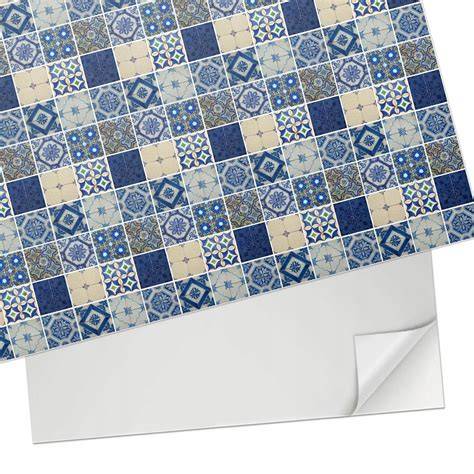
Typy tkanin potažených vinylovou vrstvou: existuje mnoho druhů vinylové tkaniny pro různé aplikace.
Fitnice je příklad tkaného vinylu v několika kolekcích pro podlahy, stěny či čalounění. Struktura povrchu je členitá, ale natěsno utkaná vlákna nepropustí tekutinu ani nečistoty.
Další materiály související s oblečením a textiliemi
ANGORSKÁ VLNA, ALPAKA, BAMBUS, BAVLNA, BIO BAVLNA, HEDVÁBI, KAŠMÍR, KONOPÍ, KOŽEŠINA, KŮŽEK, LEN, MERINO VLNA, MOHÉR, RAMIE, VLNA, ACETÁTVlákno, CUPRO, LYOCELL, MODAL, PIÑATEX, VISKÓZA, AKRYL, ELASTAN, POLYAMID, POLYESTER, POLYPROPYLEN, POLYURETAN. Každý z nich má specifické vlastnosti a vhodné použití v oblečení a textilních výrobcích.
Vinylem potažená tkanina představuje kombinaci funkčnosti a stylu, která odráží současné trendy v módě i průmyslu. Její využití je široké a zahrnuje oděvní doplňky, sportovní oblečení, workwear i dekorativní prvky v interiérech.